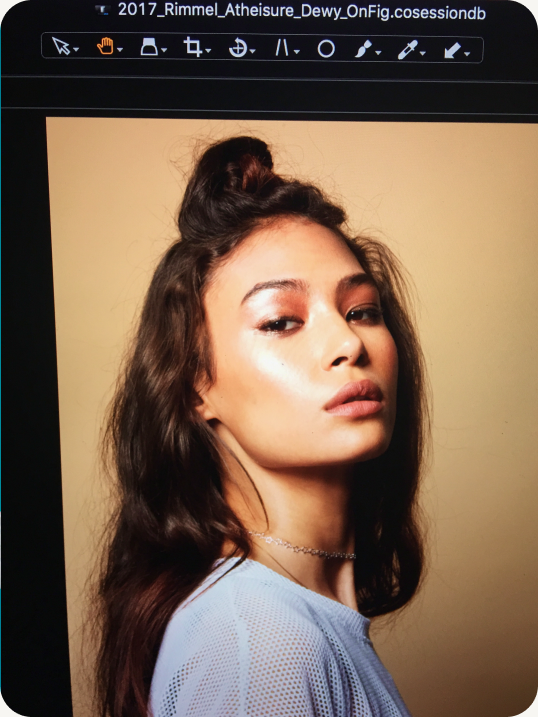
An agency team in New York, briefed on a Monday, could shoot something on Thursday that looked unmistakably Rimmel.
Coty's brand portfolio was producing photography independently — each brand, each shoot, each agency working from its own interpretation of what the brand looked like. The result wasn't bad. It was inconsistent. And on social, inconsistency is invisible.
I led the research and art direction to build a visual framework that gave Rimmel London a coherent identity across every channel — one that scaled to in-house teams and external agencies without losing its character in translation.
Six brand directors. Six opinions about what Rimmel looked like. One framework that had to serve all of them.
The challenge wasn't creative direction — it was creative alignment. Every brand director had a legitimate point of view shaped by years with their brand. Getting them to commit to a shared visual language required more than a compelling deck. It required evidence.
I designed the alignment process before designing the framework: run the test first, show the data, then propose the direction. Walking into a room with thumb-stop rates — not mood boards — changed the conversation completely.
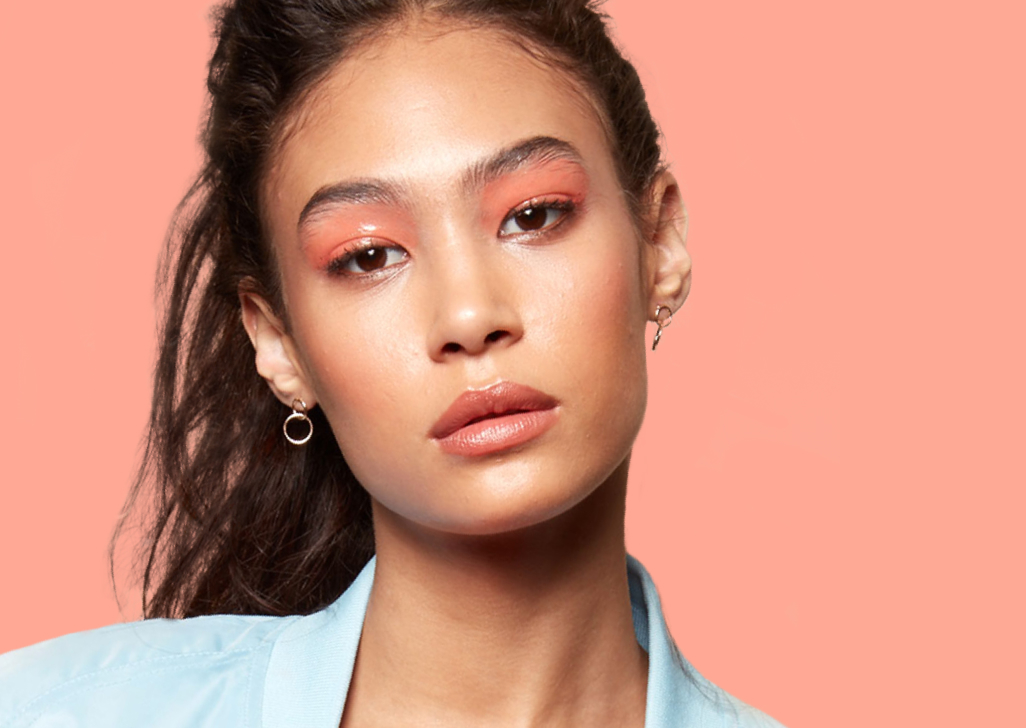
We tested 40 image variants on social before any brand director saw a single proposal.
The research phase ran A/B tests across creative variables: lighting ratios, colour grading, model framing, background treatment, product placement. Each variant was tested for thumb-stop rate on social. The framework wasn't built from aesthetic instinct — it was built from the variables that actually made people stop scrolling.
From those findings, I developed a visual language that balanced editorial craft with platform-native composition. We then art directed shoots for Rimmel, Max Factor, Sally Hansen, Wella, Nioxin, and Clairol — and created production guidelines that enabled teams to replicate the approach at scale without the research overhead.
We agreed on the framework in a single meeting. That had never happened before.
The standard process — present creative direction, gather feedback, revise, repeat — routinely took months on brand alignment projects. By running the performance test first and presenting data before creative, we shifted the conversation from opinion to interpretation. Brand directors could argue about what the data meant. They couldn't argue with the numbers.
Thumb-stop rate improved 47%. Over 200 assets were delivered across channels in the first year.
The framework became the production standard for Rimmel's brand photography and was adopted across Coty's wider portfolio. More significantly, it established a model for how to approach brand alignment decisions: test first, align on evidence, then build.
A visual language doesn't succeed in a studio. It succeeds when someone who wasn't in the room produces something that looks exactly right.
The true test of a brand framework is what happens when you're not there to direct it. The agencies and in-house teams who used this framework months after it was built — and produced work that felt unmistakably Rimmel — were the real validation. That portability is what separates a good brief from a good framework.