You can't smell a JPEG. So we built a quiz that didn't ask customers what they liked — it asked how they wanted to feel.
Fragrance had the highest category drop-off rate in Coty's entire ecommerce portfolio. Customers would browse, stall at the product page, and leave. The problem wasn't the product — it was that the digital shelf gave them no way to navigate it without prior knowledge they didn't have.
The Fragrance Finder replaced notes lists and brand jargon with a guided conversation — seven questions about mood, memory, and occasion — that ended with three personalised recommendations the customer actually had a reason to trust.
The brief arrived with half its budget and half its timeline already cut.
Research budget was eliminated mid-project. The timeline was compressed by the same amount. Most teams would have descended into scope negotiation. Instead, I redesigned the research methodology: guerrilla interviews outside Boots stores in London, paper prototype testing in a coffee shop, and a single-day synthesis sprint with the core team.
The constraint turned out to be clarifying. We had no time for anything that wasn't essential, which meant every decision was forced to earn its place.
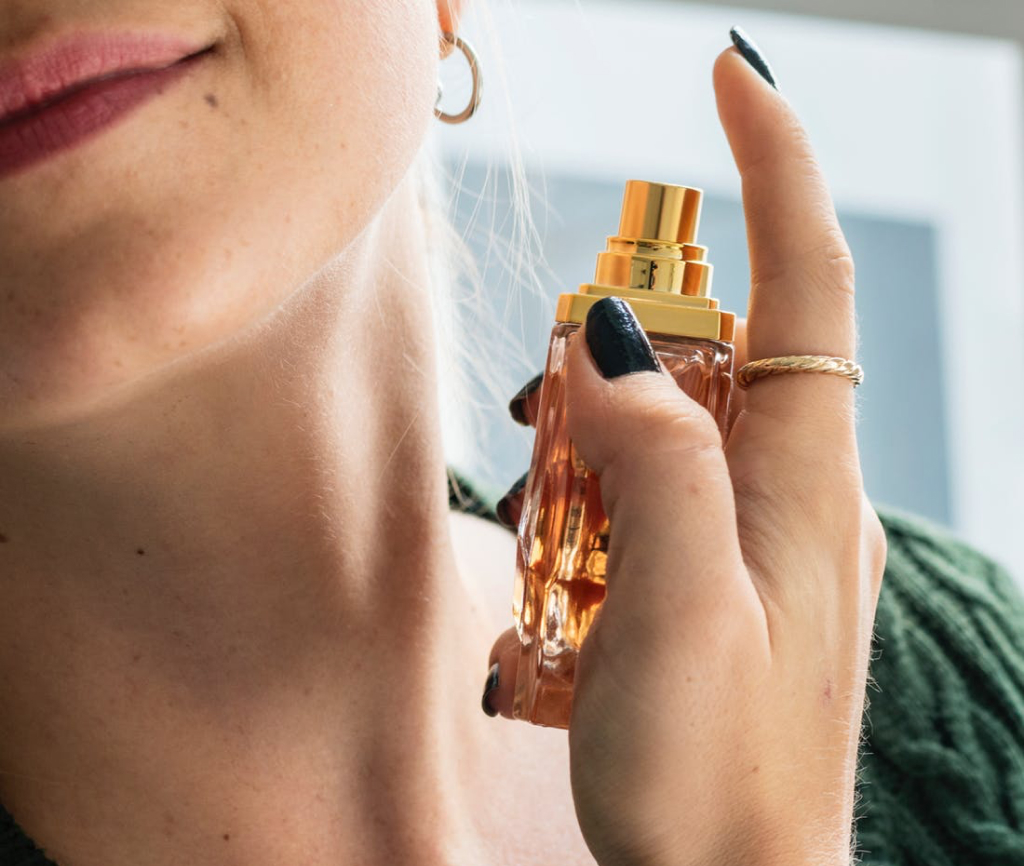
Nobody describes fragrance in notes. They describe it in feelings.
'Something that feels like a Sunday morning.' 'Warm but not heavy.' 'The smell of a hotel I stayed in once in Spain.' Every interview surfaced the same pattern: people know what they want — they just don't have the vocabulary to ask for it the way fragrance brands ask them to.
That single insight rewrote the product brief. We weren't building a search tool. We were building a translator between emotional language and product attributes.
Customers could answer seven questions in under two minutes and receive three fragrances matched to how they actually described their own taste.
The quiz used adaptive branching — each answer shaped the next question, narrowing the scent profile without the customer ever feeling profiled. We validated the core mechanic in four days using paper prototypes with real shoppers, then refined it across four digital testing rounds before launch.
We shipped in half the original timeline. The product launched supporting eight fragrance brands across the Coty portfolio.
Discovery-to-purchase rate improved 41%. Drop-off against the category average fell 62%.
The Fragrance Finder was shortlisted for the Glossy Beauty Award for Best Brand Collaboration in 2020. More than the numbers, it demonstrated that you could solve a fundamentally sensory problem through language — a model that influenced how Coty approached discovery design in other categories.
The insight that changed everything wasn't about fragrance. It was about trust. People don't need to describe a scent. They need to believe the recommendation.
The quiz worked not because it was clever but because it made customers feel understood before it made any recommendations. That sequence — empathy before advice — is the thing I've carried into every product I've worked on since.